From Victoria to Courtenay — a dormant rail corridor with a new purpose.
The E&N Railway Corridor has sat unresolved for years. The tracks stretch 289 kilometres from Victoria north to Courtenay, passing through some of Vancouver Island's most significant communities and First Nations territories.
Rail reinstatement is prohibitively expensive leaving the corridor in limbo since passenger service was suspended in 2011.
Under BC Motor Vehicle Act Regulations Section 24.06, segments of the corridor could be converted into Neighbourhood Zero Emission Vehicle roadways: low-speed, affordable, and purpose-built for the electric future our governments are working toward.
Neighbourhood Zero Emission Vehicle — BC Motor Vehicle Act Regulations Section 24.06
means a vehicle that travels on four wheels and is powered by an electric motor that is designed to allow the vehicle to attain a speed of 32 kilometers per hour but not more than 40 kilometers per hour in a distance of 1.6 km on a paved level surface, and
(a) meets or exceeds standards of the Motor Vehicle Safety Act (Canada) for a low-speed vehicle and bears a compliance label for a low speed vehicle in accordance with that Act, or
(b) if imported to Canada, has been imported as an admissible low-speed vehicle in accordance with the Motor Vehicle Safety Act (Canada) requirements, and (i) bears a compliance label for a low-speed vehicle in accordance with that Act, or (ii) meets applicable federal United States laws in accordance with the Motor Vehicle Safety Act (Canada).
10.7 No person shall drive or operate a neighborhood zero emission vehicle on a street unless: (a) the street has a speed limit of 50 kilometers per hour or less; and (b) the person drives or operates the neighbourhood zero emission vehicle in the lane on the street closest to the right hand curb or shoulder, except to make a left hand turn or to pass another vehicle.
The primary benefit of conversion isn't the pathway itself — it's what the pathway enables. Choosing the pathway over the train will allow "a billion dollars in development" along the length of the corridor.
Potential development along the corridor includes:
Route: Victoria to Courtenay, Vancouver Island, BC
Length: 289 kilometres
First Nations Territories: 14
Regional Districts: 5
Governing Regulation: BC MVA s.24.06
Vehicle Speed: Up to 40 km/h
Surface Options: Gravel, concrete, asphalt, wood
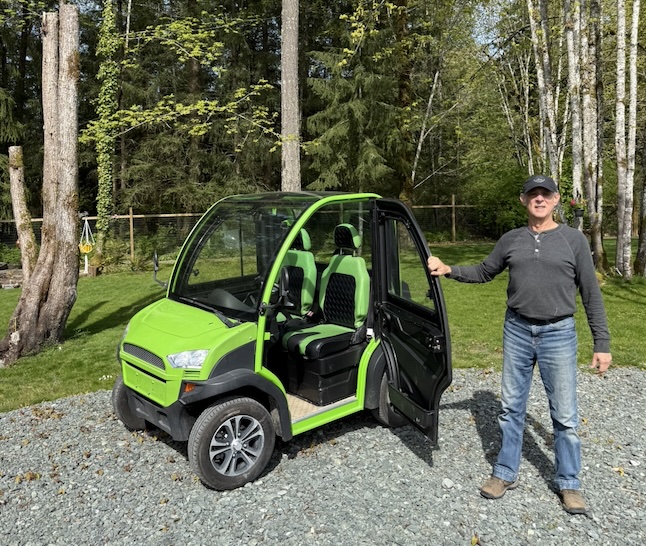
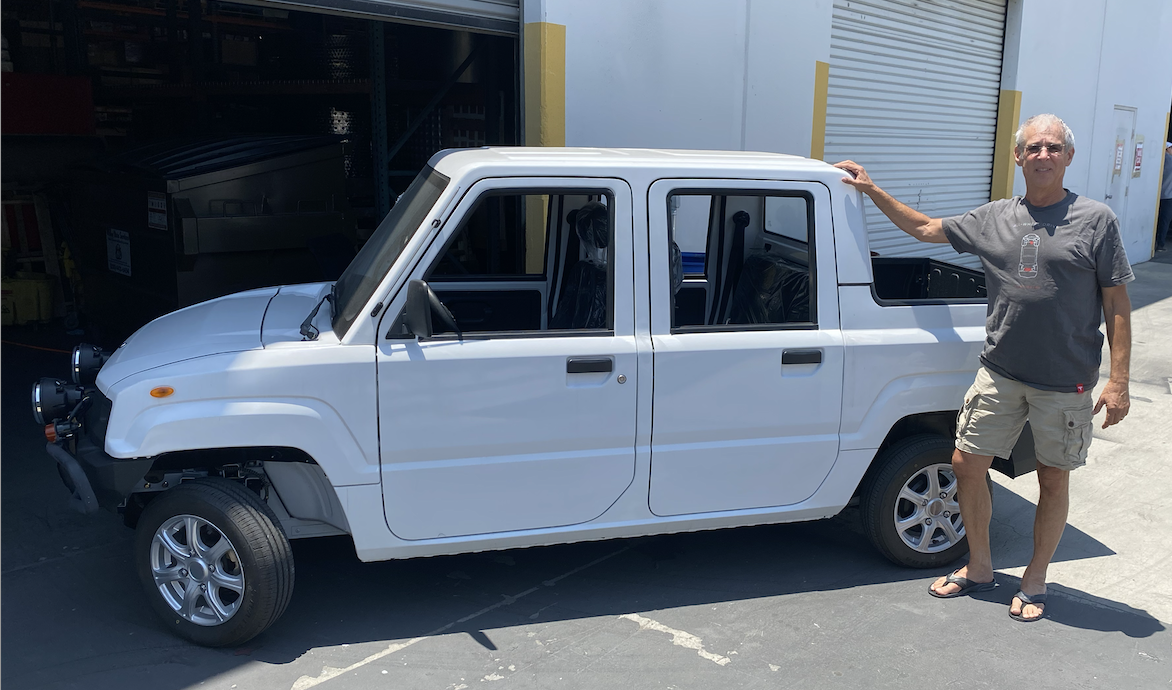
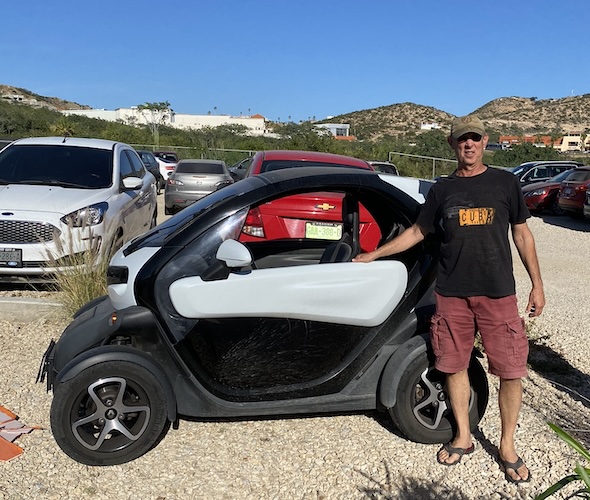
Conversations are underway. Federal dollars are available — if we don't move decisively, they'll find other projects in other provinces.
Get Involved