
Transforming the 289 km E&N Railway Corridor into a clean energy pathway — connecting communities, restoring Indigenous land ownership, and building Canada's electric future.
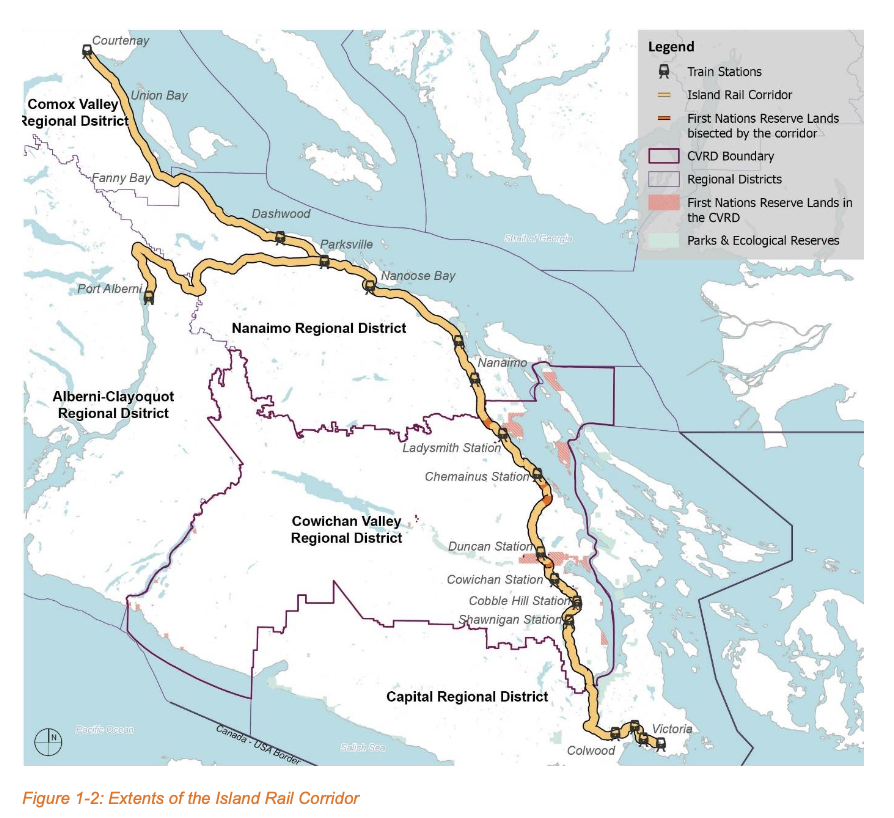
Under BC Motor Vehicle Act Regulations Section 24.06 — which uses the term NZEV — Neighbourhood EVs (NEVs) are four-wheeled electric vehicles capable of speeds up to 40 km/hr. They can operate within defined NEV operating zones with a speed limit of 40 km/hr or less.
These are not golf carts — they are purpose-built electric neighbourhood vehicles, low-cost, low-speed, and built for the electric future Canada is already moving toward.
This EV classification has been legal in BC for decades. My 2001 Kelowna-built NEV (#110) was 20 years ahead of its time.
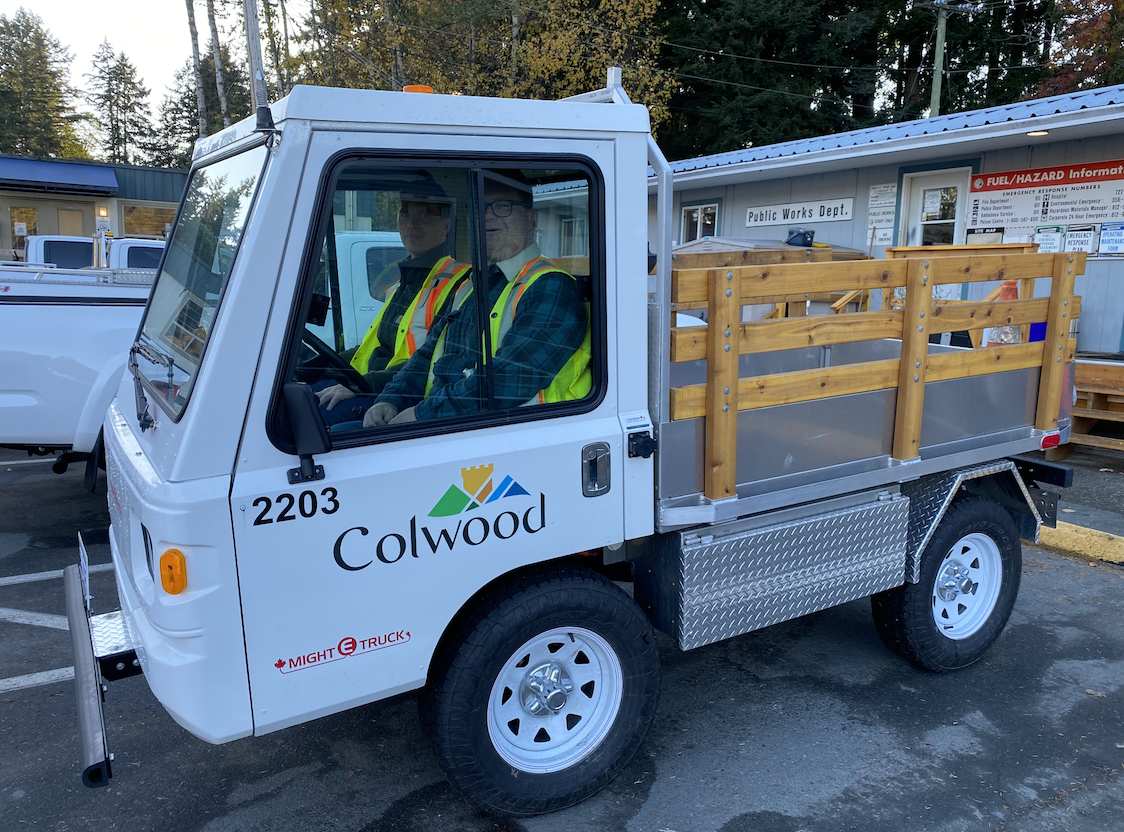
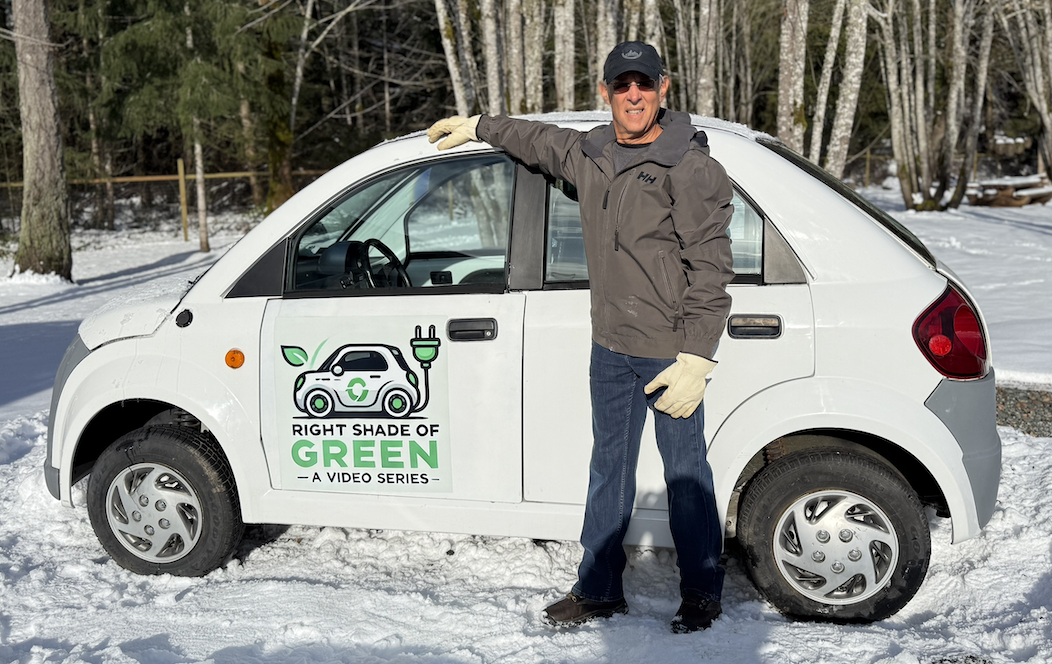
NEVs cost a fraction of a full size vehicle to buy and run, making clean transportation affordable and accessible to way more drivers.
A two-way NEV pathway can be built on gravel, concrete, asphalt, or wood — dramatically reducing infrastructure costs.
This proposal unlocks billions of dollars in adjacent land for much-needed housing and commercial development — land long held back by noisy, polluting train service.
The dormant E&N railway runs from Victoria to Courtenay passing within 80% of Vancouver Island's immediate population. Reinstating rail service would be prohibitively expensive, highly polluting, at odds with Canada's clean energy goals, and recent studies confirm ridership would be far too low to justify it.
The corridor intersects 14 First Nation territories. Returning their land would accelerate reconciliation, let each Nation run the program on their own terms, and end the lawsuits — which would offset the program's costs considerably.
An NEV corridor would unlock billions in economic development and create thousands of jobs for generations to come.
Vancouver Island and the Gulf Islands are already proving that low-cost, low-speed electric vehicles work — on BC roads, under BC's own Motor Vehicle Act. What's missing is supply: the affordable, purpose-built Neighbourhood EVs the world is already building aren't yet reaching Canadian roads. EV Island has submitted a formal application to the federal government to help open that door. Read more about the Federal Pilot →
In 2023, the Snaw-Naw-As First Nation won a BC Court of Appeal case returning their portion of the corridor, establishing a landmark precedent. Their model offers a tested path for other Nations to follow.